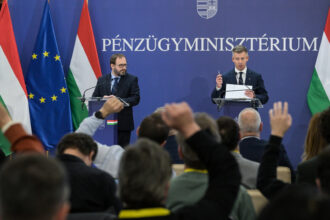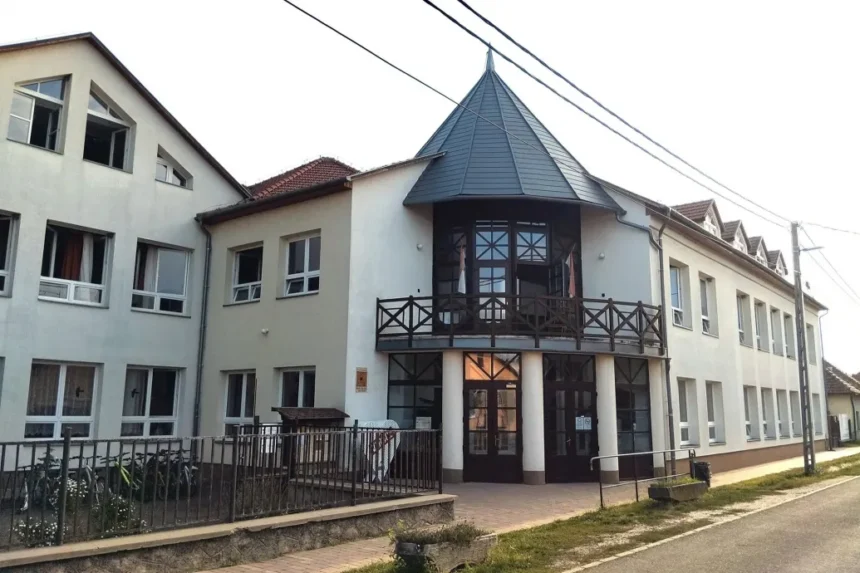
A reformist primary school in Verőce called in a civil rights group to address bullying. The workshop focused solely on bullying prevention. The school later stated it would not invite the group again due to public reaction. This case shows how public discourse can hinder child protection efforts. Your voice matters to ensure real solutions are not sidelined.
Recent Developments in Six Months
The story broke a few months ago. A news portal suggested the workshop had a hidden agenda about sexual sensitivity. The school immediately faced public pressure. It then decided to stop cooperation with the outside experts. The topic shifted from bullying to a political debate. The actual anti-bullying work was halted. The students lost a potential resource.
Impact on City Dwellers and Families
This case affects all parents in Hungarian cities. It shows how school conflicts become national news. Families see a school’s dilemma between professional help and public opinion. The fear of controversy may lead schools to avoid external support. This leaves children vulnerable. Urban parents must demand that professional decisions stay professional. You need to watch your local school’s approach to such challenges.
Legal Framework and Accountability
Schools have a duty to ensure a safe environment. The Hungarian Public Education Act mandates this. The EU also promotes child protection and anti-discrimination. Schools can use external experts for support. There is no law against workshops on bullying prevention. The decision to cancel is an administrative choice. It is not a legal requirement. The real question is about responsibility versus convenience.
A Call for Clear Priorities
We must refocus on the core issue: student safety. The statistics are alarming. The National Council for Crime Prevention reports increasing school conflicts. Economic stress reflected in GDP per capita trends adds to social tensions. Schools need tools, not taboos. Consider these steps for effective action:
- Implement regular, mandatory anti-bullying programs.
- Train teachers in conflict resolution.
- Establish clear and anonymous reporting channels for students.
- Involve parents through transparent communication.
- Use evidence-based methods, not political narratives.
- Evaluate the outcomes and adjust the approach.
As educational expert Erzsébet Dúll stated, „A school that isolates itself from professional civil society loses a key ally for child development.” The school’s own communication confirmed the workshop’s topic was „the phenomenon of bullying and its prevention.” The tool exists. The will must follow. Your engagement as a citizen can remind institutions of their primary duty: protecting children.