Our neighbors are getting it. The situation is clear. Hungary still waits. This matters to you if you drive a Tesla. Slovak, Slovenian, and Croatian owners already have the system. It handles intersections and lane changes for them. In Hungary, your car cannot do this. The approval process in Europe has accelerated rapidly. Ten countries already said yes this year. Latvia became the latest on October 26th. Their approval followed Slovakia’s by just ten days. This puts pressure on Hungarian authorities. Local Tesla fans are watching this closely. The question is simple. When will Hungary join this list.
Approvals Follow a Clear Pattern
The process started in the Netherlands. Dutch authorities granted initial European approval on April 10th. This was the key. Other nations could then recognize this decision. They did not need to start their own lengthy tests. Lithuania followed in May. Then Estonia, Denmark, and Belgium joined in June. After a summer pause, the pace quickened again. Slovenia said yes on September 7th. Czech Republic approved on September 21st. Croatia joined on September 29th. Slovakia gave its permission on October 16th. Latvia finalized the list for now on October 26th. This is the current roll call of nations.
You can see a geographical trend here. The Baltics and Benelux countries were first. Central Europe followed quickly. Now three of Hungary’s neighbors have the system. This makes the local delay even more noticeable. Austrian, Romanian, and Serbian owners also wait like us. The approvals relied on mutual recognition. National authorities reviewed Dutch documentation. They also consulted with each other. Tesla made specific software adjustments too. These changes addressed regulator concerns across Europe.
What Does Tesla Assisted Driving Actually Do?
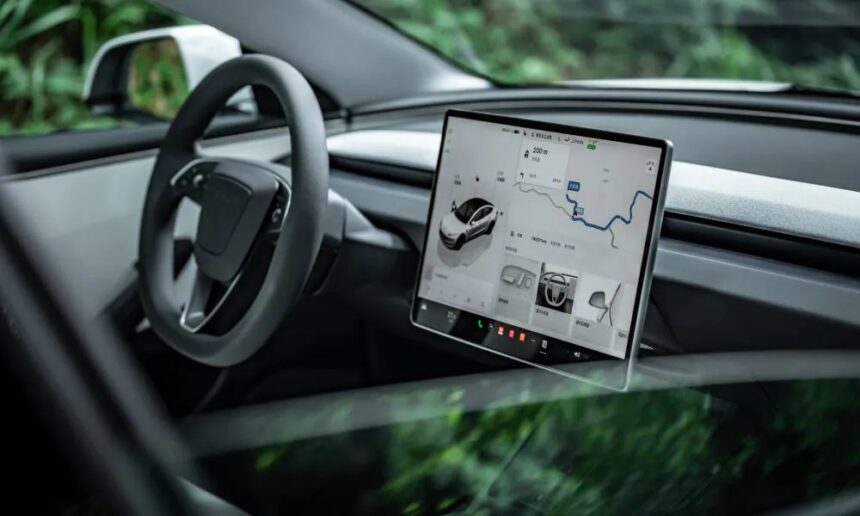
First, forget the name Full Self Driving. Europe uses Tesla Assisted Driving or TAD. This is a crucial distinction. It is not a self-driving car. It is a sophisticated driver assistance system. The responsibility always stays with you, the driver. The system operates at what experts call SAE Level 2. It can steer, accelerate, and brake automatically. It follows your navigation route. It can change lanes and navigate intersections. You do not need to hold the wheel constantly. But you must monitor the road at all times. You must be ready to intervene immediately.
This is the same package known in North America as FSD Supervised. Its European launch was promised for years. It was delayed many times. Now it is finally arriving, country by country. The function requires active driver supervision. It is a major convenience feature for highway and city driving. It represents the current peak of Tesla’s consumer technology. Having it activated increases your car’s capabilities significantly. Not having it feels like a limitation, especially now.
The Stakes for Hungarian Owners
For you, the Hungarian Tesla owner, this creates a tangible gap. Drive across the border to Slovenia today. Your car can activate the system there. It will handle complex driving tasks. Return to Hungary and the same features are locked. This is a strange situation for modern car owners. The hardware and software are already in your garage. The legal permission is missing. This affects daily usability and long trips. It also impacts the resale value of your vehicle. Everyone wants the latest technology enabled.
The path forward for Hungary has two possible routes. The first is a national approval. Hungary’s authorities could recognize the Dutch decision. This is what the ten other countries did. It is the faster and simpler method. The second route depends on the European Union. A crucial vote is expected in December.
The Key EU Vote in December
National approvals are not enough for EU wide permission. A formal EU decision requires a qualified majority vote. This vote will happen in the Technical Committee for Motor Vehicles. At least 15 of the 27 member states must vote yes. These yes voting nations must represent at least 65 percent of the EU population. The vote is anticipated for December. Major markets like Germany, France, and Italy are still reviewing the system. Their stance will be decisive.
What happens if the EU votes yes in December? Then the approval would theoretically apply to Hungary too. It might not require a separate national process. This could mean activation before the end of the year. What if the vote fails or is postponed? Then Hungary would need to act alone. The slower, country by country path would continue. The wait for local owners would be extended further.
| Ország | Jóváhagyás Dátuma | Megjegyzés |
|---|---|---|
| Hollandia | 2026. április 10. | Alapító európai engedély, mindenki ezt használja. |
| Litvánia | május 20. | |
| Észtország | május 29. | |
| Dánia | június 9. | |
| Belgium | június 10. | |
| Szlovénia | szeptember 7. | Magyarország szomszédja. |
| Csehország | szeptember 21. | |
| Horvátország | szeptember 29. | Magyarország szomszédja. |
| Szlovákia | október 16. | Magyarország szomszédja. |
| lettország | október 26. | Legutóbbi jóváhagyás. |
What You Should Watch Now
The coming weeks are critical. All eyes are on the EU committee meeting. Watch for statements from German automotive authorities. Their opinion carries enormous weight. Also, listen for any news from the Hungarian Ministry for Innovation. They handle these type approvals. Have they started an evaluation process? No official information is public yet. This silence fuels speculation among the local Tesla community.
Prepare for two possible outcomes this winter. A successful EU vote means a quick nationwide unlock. A failed vote means more waiting and lobbying. Your direct experience depends on this bureaucratic process. Contact your local Tesla owners club. Share information and coordinate inquiries. Ask your national representatives about the timeline. Pressure can sometimes accelerate these decisions. The technology is ready and tested. The regulatory framework is now building around it. Hungary’s place in this new system is the final missing piece.
Summary and Next Steps
Hungarian Tesla owners remain in a waiting game. Ten European countries already approved the Assisted Driving system. Three of them are our direct neighbors. The EU may decide the issue for everyone in December. If not, Hungary must pursue its own national approval. The momentum across Europe suggests a decision is coming soon. Your car is technically capable today. The legal permission is the final barrier. Watch for news from Brussels and from Budapest. The hope is for a resolution before the end of this year. Then you can finally use your car’s full potential on Hungarian roads too.